
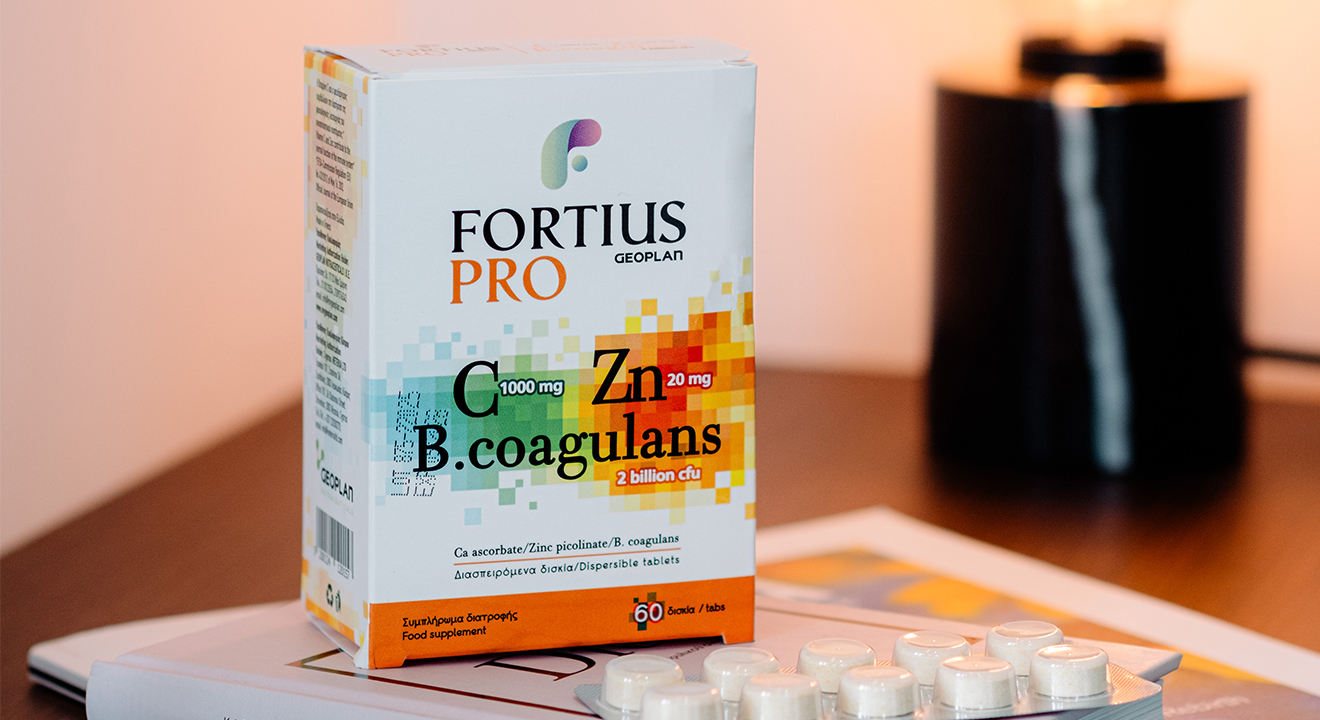
Matina Noula, clinical psychologist and marathon runner, explores the connection between vitamin C and zinc, highlighting how maintaining healthy levels of both can help the body manage stress and strengthen its natural defence.
Modern life makes constant demands. Between rising pressures at work and at home, the many roles we juggle, the relentless pace and the little time left for rest, stress has become a familiar companion. Stress is a perfectly natural response, but when it lingers it can influence not only our mental wellbeing but also on the normal workings of the body – the immune system included.
Supporting the body through demanding periods comes down to a combination of factors: a balanced diet, enough sleep, regular exercise and effective stress management. Certain micronutrients play their part too. Vitamin C and zinc, in particular, contribute to the normal function of the immune system and help protect our cells from oxidative stress.
When the body is under greater strain, or when nutrition simply doesn’t cover all its needs, food supplements can be a useful form of support – always as part of an overall healthy lifestyle, not as a substitute for one.
Stress doesn’t just affect the mind
Chronic stress keeps the body’s coping mechanisms switched on around the clock, driving up the production of hormones such as cortisol. When that state drags on, it can interfere with the normal function of the immune system and with the body’s ability to meet the demands of daily life.
This connection is a reminder that mental and physical health are closely intertwined. Looking after our emotional wellbeing isn’t only about how we feel, it’s part of caring for the body as a whole.
The role of vitamin C
Vitamin C is one of the most important vitamins, best known for the part it plays in the normal function of the immune system. It also acts as a powerful antioxidant, helping to protect cells from the oxidative stress caused by free radicals. It contributes to the formation of collagen, supporting the normal function of the skin, blood vessels, bones and cartilage, and it helps reduce tiredness and fatigue while aiding the absorption of iron from plant-based foods.
Most of us can get enough vitamin C through a balanced diet. Citrus fruits, kiwi, strawberries, peppers, broccoli and plenty of other fresh fruit and vegetables are all rich sources. During more demanding stretches – intense physical activity, a hectic routine or periods when we’re simply eating worse – a vitamin C supplement can help cover the body’s daily needs and round out a balanced diet.
The role of zinc
Zinc is an essential trace mineral involved in many of the body’s biological processes. It contributes to the normal function of the immune system, to the protection of cells from oxidative stress, and to the normal synthesis of proteins and the renewal of tissue. It also supports normal wound healing and helps keep skin, hair and nails in good condition.
Good dietary sources of zinc include red meat, seafood, poultry, dairy, pulses, nuts and seeds. Here too, when the body’s needs are higher or diet alone doesn’t quite cover them, a zinc supplement offers a practical way to meet daily requirements as part of a balanced diet.
Why the pairing is worth a closer look
Vitamin C and zinc work well together, contributing to the normal function of the immune system and to protecting cells from oxidative stress. That matters most in periods when the body is being asked to cope with heightened physical or mental demands. Caring for the body properly helps create the right conditions to adapt to everyday challenges and to hold on to our mental resilience – always alongside a healthy way of living.
Caring for the body takes more than one thing
Vitamin C and zinc can be genuine allies for our physical health when they are part of a balanced daily routine. Supplements don’t replace good nutrition, quality sleep, exercise and stress management, but they can complement them, and can make a real difference even when there’s no outright deficiency in the diet.
Health isn’t built through one-off fixes. It’s built through the small, steady choices we make each day to support both the body and our mental wellbeing.


LOCATION
4 Vasilissis Sofias Sq., 17121Nea Smyrni
Τel.: +30 211 0123 554
SOCIAL MEDIA