
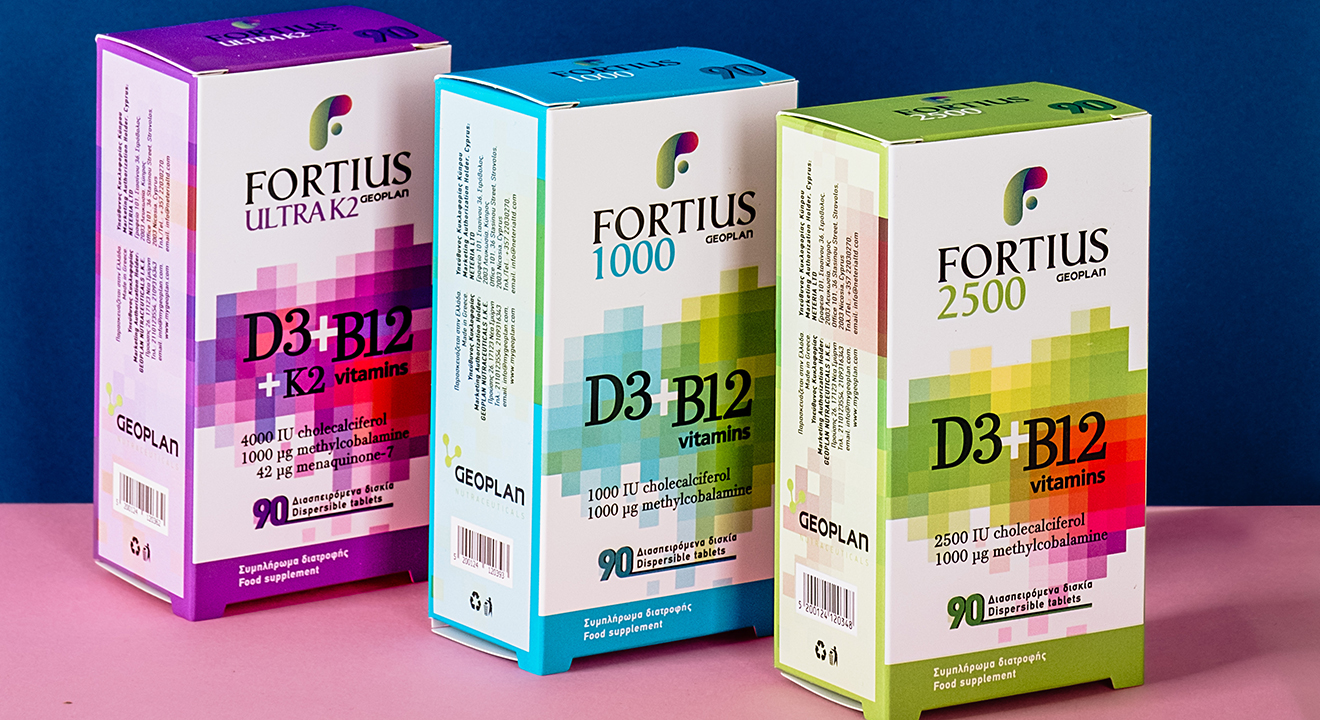
Matina Noula, clinical psychologist and marathon runner, explores the connection between vitamin D and emotional well-being, and how maintaining healthy levels can make a real difference in how we feel every day.
How It Affects Our Mental Well-Being
Mental and physical health are interlinked, each directly influencing the other. In recent years, growing scientific evidence (peer-reviewed research and literature reviews) has been pointing to the role certain nutrients play in emotional balance and psychological well-being. One of the most significant ones is vitamin D – best known for its role in bone health and immune function but increasingly recognised to contribute meaningfully to inner calm and emotional balance.
Vitamin D appears to have a profound influence on brain function, mood, and overall psychological state. Low levels have been linked to persistent fatigue, low mood, reduced energy, and symptoms associated with anxiety and depression. At the same time, demands of modern life, reduced time outdoors and sun exposure, as well as relentless schedules and constant pressure to keep up, are proven to contribute to vitamin D deficiency across the population.
Why Does Vitamin D Matter?
Vitamin D is a fat-soluble vitamin produced primarily when skin is exposed to sunlight, with smaller amounts obtained through diet. Its role in the body is far-reaching, supporting a wide range of biological functions.
Crucially, vitamin D receptors have been identified in key regions of the brain, including the hippocampus, the amygdala, and the prefrontal cortex, areas directly involved in mood, memory, and emotional regulation. This proves that vitamin D plays a significant role in how the nervous system functions and how we maintain emotional balance day to day.
What Symptoms May Be Associated with Low Vitamin D Levels?
Vitamin D deficiency can manifest in a range of physical and psychological ways. Common signs include:
- persistent fatigue
- low mood
- reduced energy and lack of motivation
- difficulty concentrating
- disrupted sleep
- increased irritability
- muscle weakness or body aches
When these symptoms persist, they can significantly erode daily functioning and quality of life, especially when they persist over time.
What Is the Relationship Between Vitamin D and Mood?
Vitamin D apparently plays an active role in brain mechanisms directly involved in mood regulation. Specifically, it appears to influence the synthesis of key neurotransmitters, including serotonin and dopamine, i.e. the chemicals responsible for feelings of pleasure, well-being, and emotional stability.
When vitamin D levels drop, these mechanisms are disrupted. The result can be low mood, mental fatigue, and/or heightened emotional sensitivity.
Research also shows that vitamin D deficiency is associated with elevated inflammation levels. Chronic inflammation, in turn, has been linked to psychological difficulties, as it interferes with proper nervous system function and overall mental well-being.
How Does Lack of Sunlight Affect Mental State?
Sunlight is the primary source of vitamin D, which is why vitamin D levels tend to dip during winter months or extended periods spent predominantly indoors.
For many people, reduced sun exposure has been found to correlate with the onset of Seasonal Affective Disorder (SAD) – a form of depression characterised by:
- reduced energy
- increased need for sleep
- persistent low mood
- social withdrawal
- difficulty concentrating
Daily exposure to natural light and regular outdoor physical activity have both been proven to be protective for vitamin D levels, and for mental health more broadly.
How Can You Support Your Psychological Well-Being?
Maintaining adequate vitamin D levels is an important part of overall health care. But it works best as part of a holistic approach to daily life that includes:
- a balanced, nutrient-rich diet
- sufficient, quality sleep
- regular physical activity
- exposure to sunlight
- effective stress management
- attention to emotional and psychological needs
Persistent fatigue or low mood that won’t lift may be a signal worth investigating – starting with checking vitamin D levels.
Conclusion
Vitamin D apparently plays a significant role not only in physical, but also in mental and emotional health as well. Its influence on brain function, mood regulation, and emotional balance makes it an important factor in overall psychological well-being.
While vitamin D is not a treatment for psychological difficulties and disorders in itself, maintaining adequate levels, alongside a balanced lifestyle and appropriate care for mental health, appears to meaningfully support emotional resilience, quality of life, and mental balance.


LOCATION
4 Vasilissis Sofias Sq., 17121Nea Smyrni
Τel.: +30 211 0123 554
SOCIAL MEDIA