
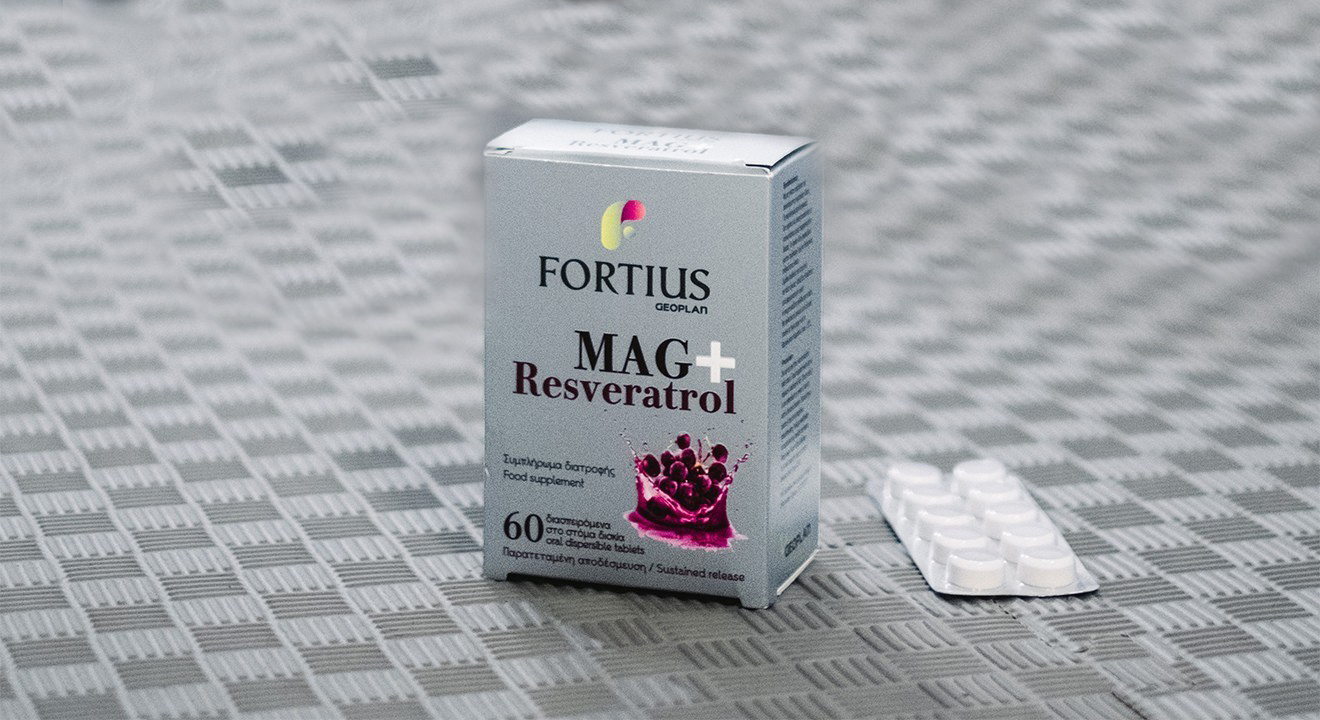
Matina Noula, a clinical psychologist and marathon runner, writes about the role of magnesium in stress management and explains how it contributes to bodily relaxation and the maintenance of psychological balance.
How It Contributes to Mental Balance
Anxiety is one of the most prevailing psychological experiences of the modern era, and significantly affects both our emotional and physical health. Increased professional demands, the relentless pace of contemporary living and constant need to adapt to new circumstances, produce a state of chronic psychological strain. When anxiety persists over time, it may negatively affect concentration, mood, sleep quality and body energy reserves. At the same time, brain and body interdependence means that psychological state is also reflected at a biological and physical level. One of the most visible proofs of this is the development of psychosomatic symptoms due to increased anxiety. In this context, certain nutrients appear to play a significant role in the regulation and balance of the nervous system function, as well as in the maintenance of mental balance. One of these is magnesium, a mineral with wide-ranging biological activity that is closely associated with relaxation, stress management, and overall psychological wellbeing.
Why Is Magnesium Essential?
Magnesium is one of the most vital minerals for the human body, as it participates in more than 300 biochemical processes that contribute to energy production, muscle function and the proper transmission of nerve impulses. At the same time, it contributes to the maintenance of nervous system balance, and consequently to mental balance and regulation of important functions related to physical relaxation. As a result, adequate magnesium levels are considered essential for both physical and mental wellbeing.
What Symptoms May Be Associated with Low Magnesium Levels?
A deficiency in magnesium may be associated with various symptoms. These include:
- increased nervousness
- persistent feeling of fatigue
- difficulty relaxing, continuous hyperexcitability
- sleep disturbances
- muscular tension and cramps
These symptoms often appear during stressful periods or stretches of prolonged pressure, exactly when the body’s need for magnesium tends to be highest.
“What Is the Relationship Between Magnesium and Anxiety?
Magnesium appears to play a key role in nervous system function and the mechanisms related to stress management, most notably through its role in regulating cortisol, the stress hormone. While cortisol serves a protective function in acute situations of danger or pressure, chronically elevated levels can negatively affect sleep quality, concentration, mood, and overall mental balance.
Additionally, magnesium appears to help regulating neuronal excitability, facilitating the body’s transition from states of tension and pressure back to states of relaxation. This, in turn, supports the body’s inherent recovery mechanisms, helping to restore calm after stressful and intense situations.
How Does Magnesium Contribute to Relaxation?
One of magnesium’s most important roles is its contribution to neuromuscular regulation. This mineral supports muscle relaxation and the reduction of neural tension, helping the body return to a state of balance after periods of intense physical activity, athletic exertion, or stress.
At the same time, it appears to support the normal function of the mechanisms related to sleep and recovery. Proper rest in conjunction with adequate magnesium intake, is a key factor in effective stress regulation and maintenance of overall mental balance.
Conclusion
Magnesium is a cornerstone mineral for the body’s overall balance and wellbeing. Its contribution to nervous system function, muscle relaxation and stress mitigation, make it particularly important in sustaining mental wellbeing. Ensuring adequate magnesium levels through appropriate means, can serve as a valuable tool in supporting relaxation, improving sleep quality, and sustaining mental balance amid the demands and pressures of daily life.


LOCATION
4 Vasilissis Sofias Sq., 17121Nea Smyrni
Τel.: +30 211 0123 554
SOCIAL MEDIA